

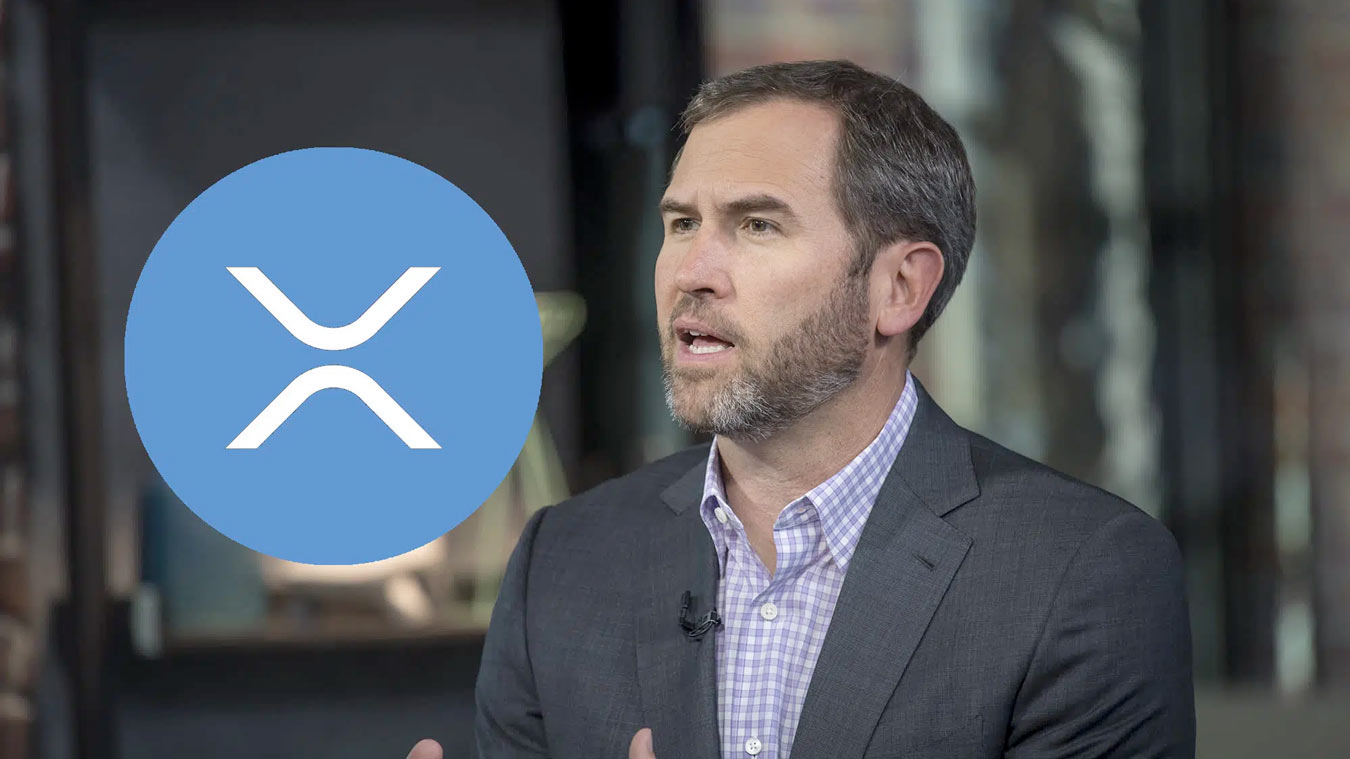







Ripple CEO Brad Garlinghouse has called on Congress to pass comprehensive crypto regulations to boost innovation and restore U.S. leadership in digital assets.
Key Takeaways
- 1Ripple CEO Brad Garlinghouse urged Congress to pass clear crypto laws during a Senate hearing
- 2He emphasized the need for regulatory clarity to support innovation and consumer protection
- 3Garlinghouse highlighted the SEC lawsuit and Ripple’s legal victory as a turning point
- 4He warned that without action, U.S. crypto talent and innovation may shift overseas
Can the U.S. still lead the world in blockchain innovation? According to Ripple CEO Brad Garlinghouse, the answer is yes, but only if lawmakers act fast. Speaking directly to Congress, he laid out a roadmap for how smart crypto regulations can unlock economic growth and keep America at the forefront of financial technology.
Ripple CEO Urges Congress for Swift Crypto Legislation
Ripple Labs CEO Brad Garlinghouse appeared before the U.S. Senate Committee on Banking, Housing, and Urban Affairs last week, calling for immediate legislation to regulate digital assets and stabilize the cryptocurrency industry. He stressed that constructive rules are not just about compliance but are necessary for maintaining U.S. competitiveness in the global fintech race.
Garlinghouse praised Congress for engaging with the crypto space, but made it clear that current legal uncertainties are pushing innovation offshore. Citing that over 55 million Americans already participate in the crypto economy, he warned that the absence of well-defined laws could hinder job creation and economic growth.
“The U.S. possesses the world’s deepest capital markets, the most advanced technical talent, and the spirit of innovation that has powered our nation since its founding,” Garlinghouse said. “There is no reason we should not be the undisputed leader in digital assets and blockchain.”
Ripple’s Legal Victory and Regulatory Lessons
A key moment in Garlinghouse’s remarks was the discussion of Ripple’s legal battle with the SEC, which began in 2020. The U.S. Securities and Exchange Commission alleged that XRP, Ripple’s digital token, was an unregistered security. In 2023, a federal court ruled that XRP sales on exchanges were not securities, marking a major win for Ripple and the broader crypto industry.
Ripple has since dropped its appeal over other parts of the ruling, aiming to move forward. The CEO framed this legal episode as a lesson in the importance of clear rules, noting that Ripple operates with a compliance-first model and uses its open-source XRP Ledger to facilitate global, low-cost transactions.
Call for Smart, Innovation-Driven Regulation
In his Senate testimony, Garlinghouse pushed for a workable framework that promotes crypto innovation while enforcing guardrails against bad actors. He acknowledged that the crypto market has seen fraud and abuse, and said this makes investor protection more essential than ever.
He criticized former SEC Chair Gary Gensler for what he described as a hostile regulatory stance, contrasting it with the current administration’s more open approach to digital assets. Garlinghouse believes the industry is at a turning point and urged lawmakers to seize the opportunity.

Key priorities he outlined for Congress included:
- Defining regulatory jurisdiction between agencies
- Creating a market structure for digital assets and stablecoins
- Ensuring compliance frameworks do not stifle innovation
Ripple, with nearly 900 employees and 15 offices worldwide, positions itself as a model for what a responsible crypto company can look like under the right regulatory environment.
CoinLaw’s Takeaway
I think Garlinghouse nailed it. If we want to be the global leader in crypto and blockchain, the rules need to make sense, not just for compliance, but for growth. This is not about dodging regulation. It’s about building a smart, future-ready system that attracts talent, drives jobs, and keeps financial innovation in the U.S., not overseas. Lawmakers, the ball is in your court.
Hover or focus to see the definition of the term.